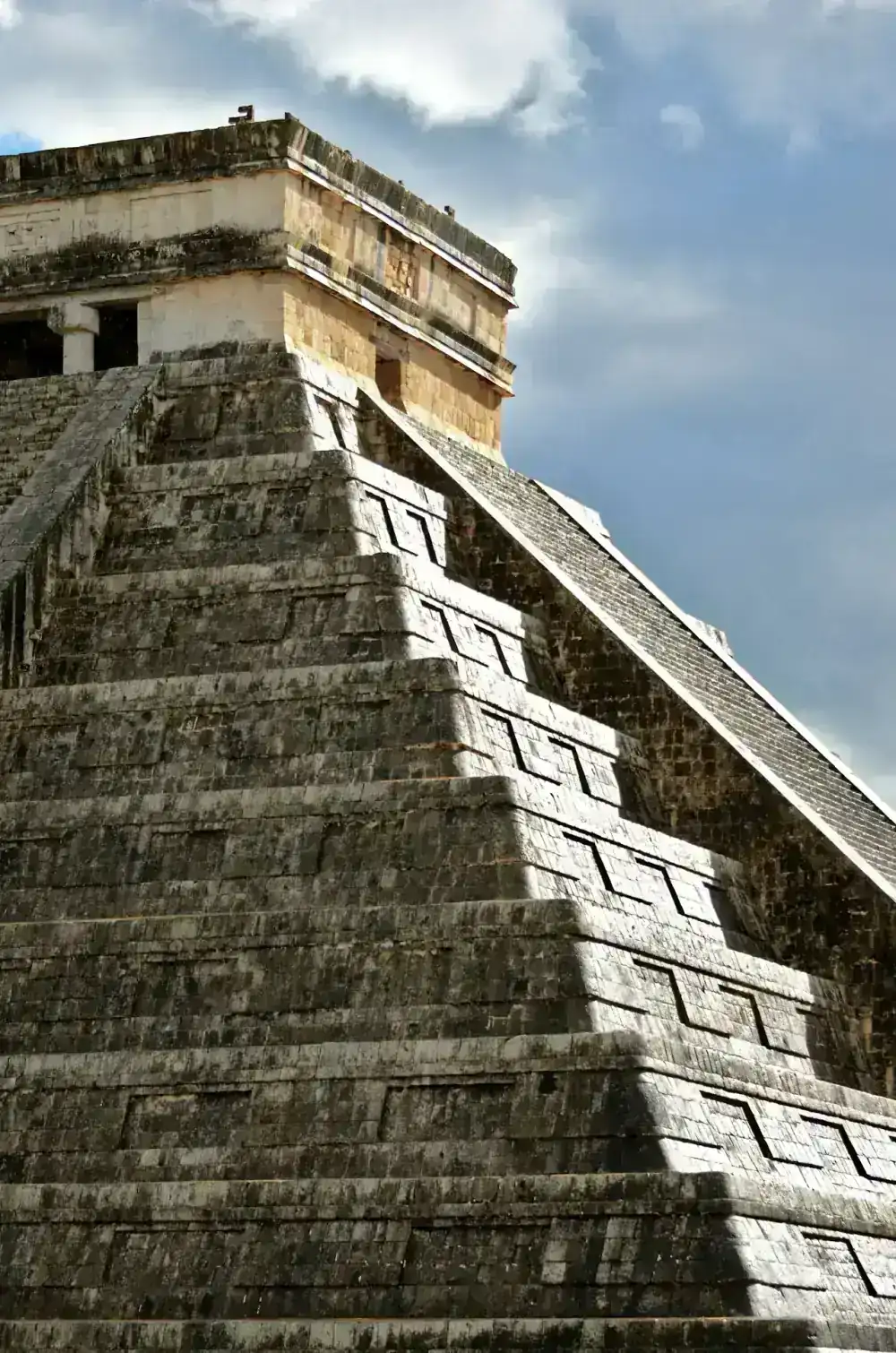
Chichen Itza Ruins: Archaeological Site and Ancient Maya City
Chichen Itza is a Maya city in Yucatan, Mexico, roughly two and a half hours from Cancun, built around the El Castillo pyramid. It is a UNESCO World Heritage site and one of the New Seven Wonders of the World.
What Is Chichen Itza?
Chichen Itza is a UNESCO World Heritage Maya archaeological site in eastern Yucatan, Mexico, known for El Castillo, the Great Ball Court, the Temple of the Warriors, the Sacred Cenote, and El Caracol. The ancient city lies near Piste in Tinum municipality and represents one of the most important archaeological sites of the Maya world.
Chichen Itza is a world-famous pre-Hispanic Maya city in Yucatan State, Mexico, one of the most important archaeological sites in the Americas. Its surviving temples, plazas, and ceremonial platforms showcase the architectural, mathematical, and astronomical sophistication of the ancient Maya, blended with central Mexican (Toltec) influences during its peak. The city flourished between roughly 600 and 1200 AD and remains the best-known window into northern Maya urban life.
Today the ruins are protected as a UNESCO World Heritage Site and celebrated as one of the New Seven Wonders of the World. That global recognition is not about tourism alone, it reflects the exceptional preservation of monuments such as El Castillo, the Great Ball Court, the Temple of the Warriors, El Caracol, and the Sacred Cenote, each of which helps explain how Chichen Itza functioned as a ceremonial and intellectual center.
Use this guide to understand the ruins themselves: the main structures, what they were used for, what archaeologists have found, and which areas are worth your time once you are inside the ancient city. For a deeper historical timeline, see the full history of Chichen Itza.
Where is Chichen Itza located?
Chichen Itza is located in Tinum municipality in the eastern part of Yucatan State, Mexico. The archaeological site is beside the town of Piste and west of Valladolid, in the central Yucatan Peninsula. Its inland location makes it accessible from several major visitor bases.
For coordinates, driving distances, and route comparisons, use the dedicated Chichen Itza map and location guide.
Location quick facts
| Country | Mexico |
| State | Yucatan |
| Municipality | Tinum |
| Nearest town | Piste |
| Region | Yucatan Peninsula |
Hours, Tickets & Best Time (Summary)
| Opening hours | Opening times and last-entry rules can change. Confirm the current official schedule before your visit. Full hours guide → |
| Entrance fee | Paid admission is required. Check the current Chichen Itza entrance-fee guide before visiting. Fee breakdown → |
| Time on site | Plan 2 to 3 hours inside the archaeological zone One-day itinerary → |
| Best arrival | Arriving near opening time generally offers a calmer start and more comfortable conditions. Season & crowd guide → |
Quick Facts: Chichen Itza
| Location | Tinum Municipality, eastern Yucatan State, Mexico |
| Nearest town | Piste, near Valladolid |
| Civilization | Maya |
| Built | 600–1200 AD |
| Famous Structure | El Castillo Pyramid (Temple of Kukulkán) |
| UNESCO Status | World Heritage Site (1988) |
| Meaning of Name | "At the mouth of the well of the Itza" |
What You'll See at Chichen Itza
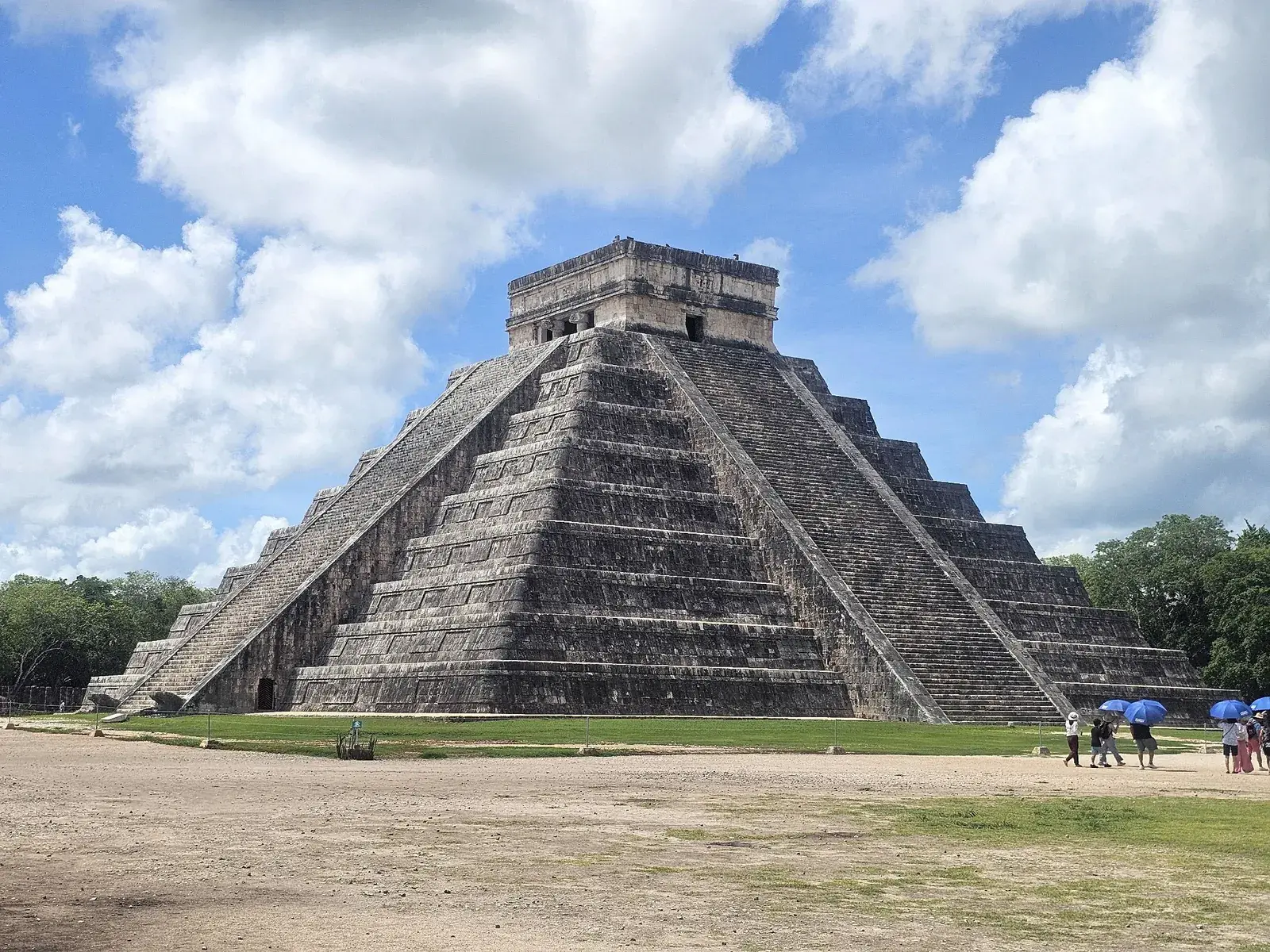
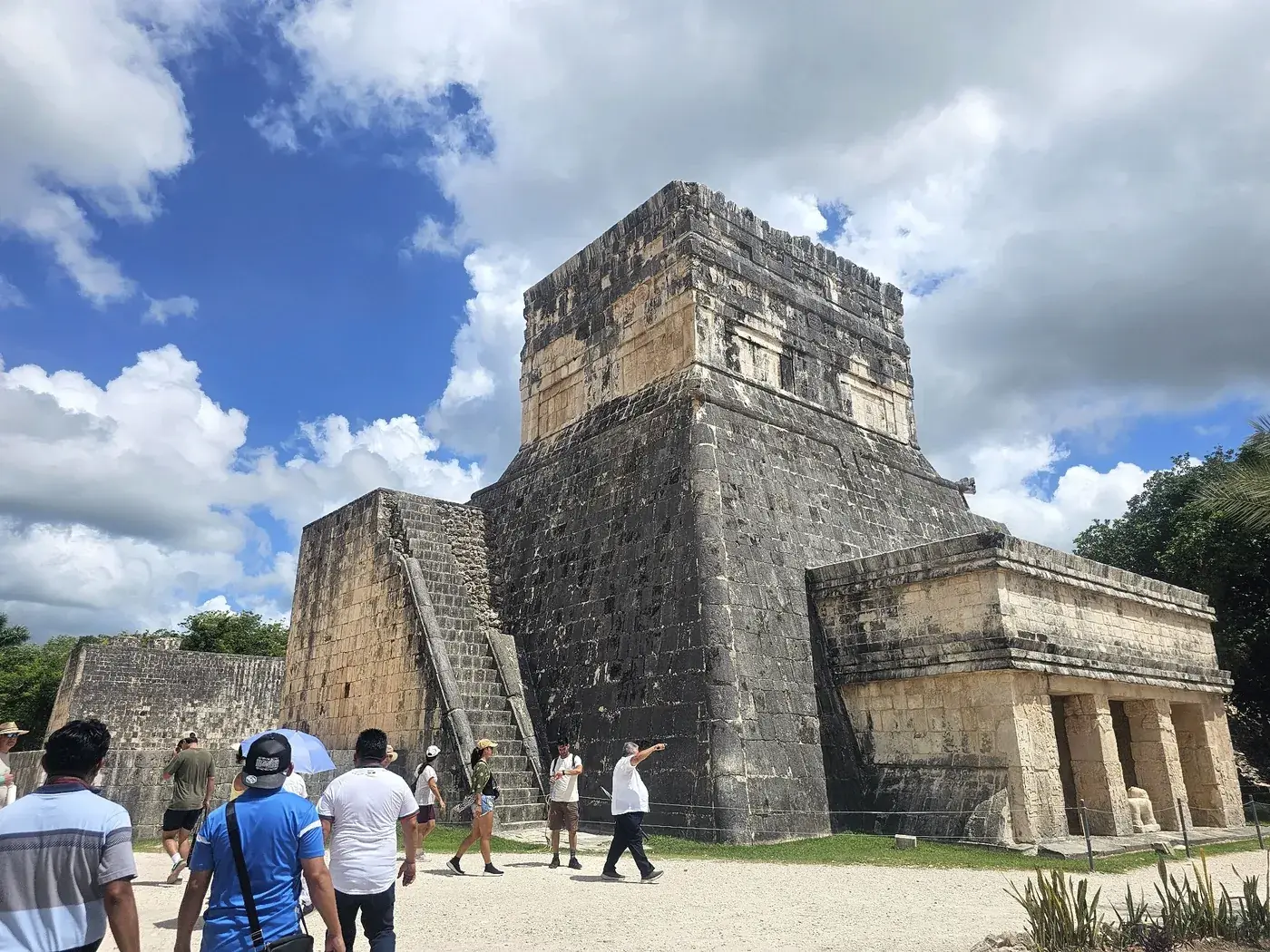
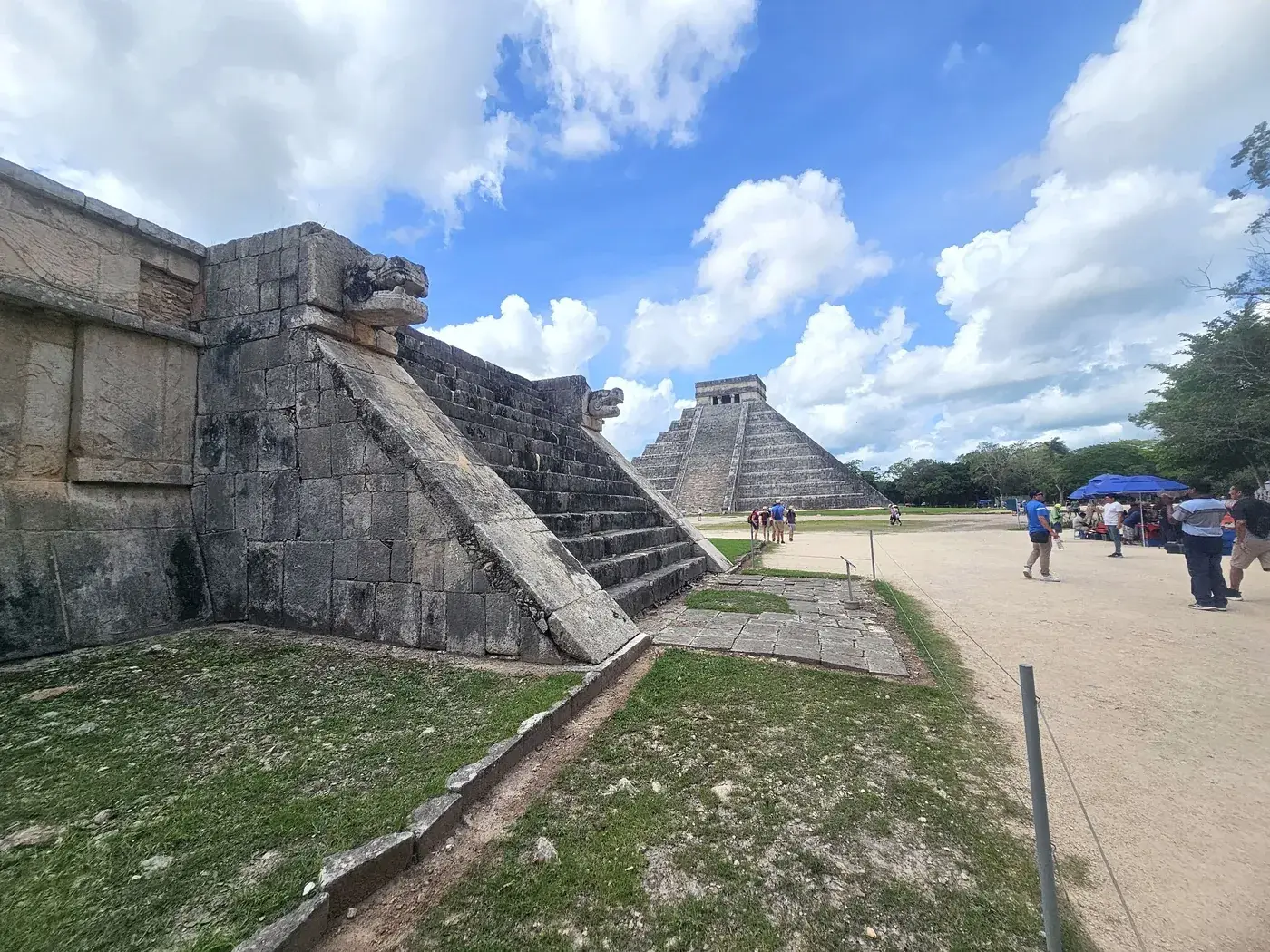
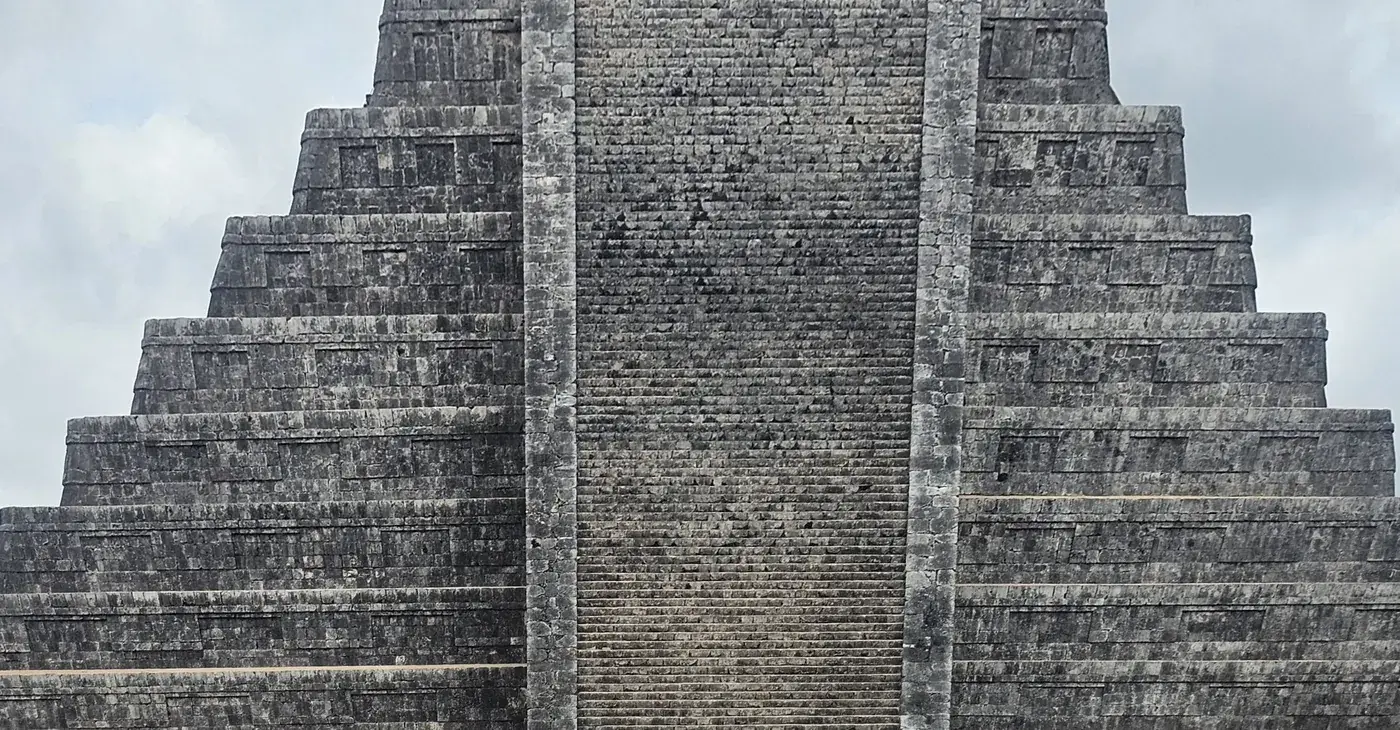
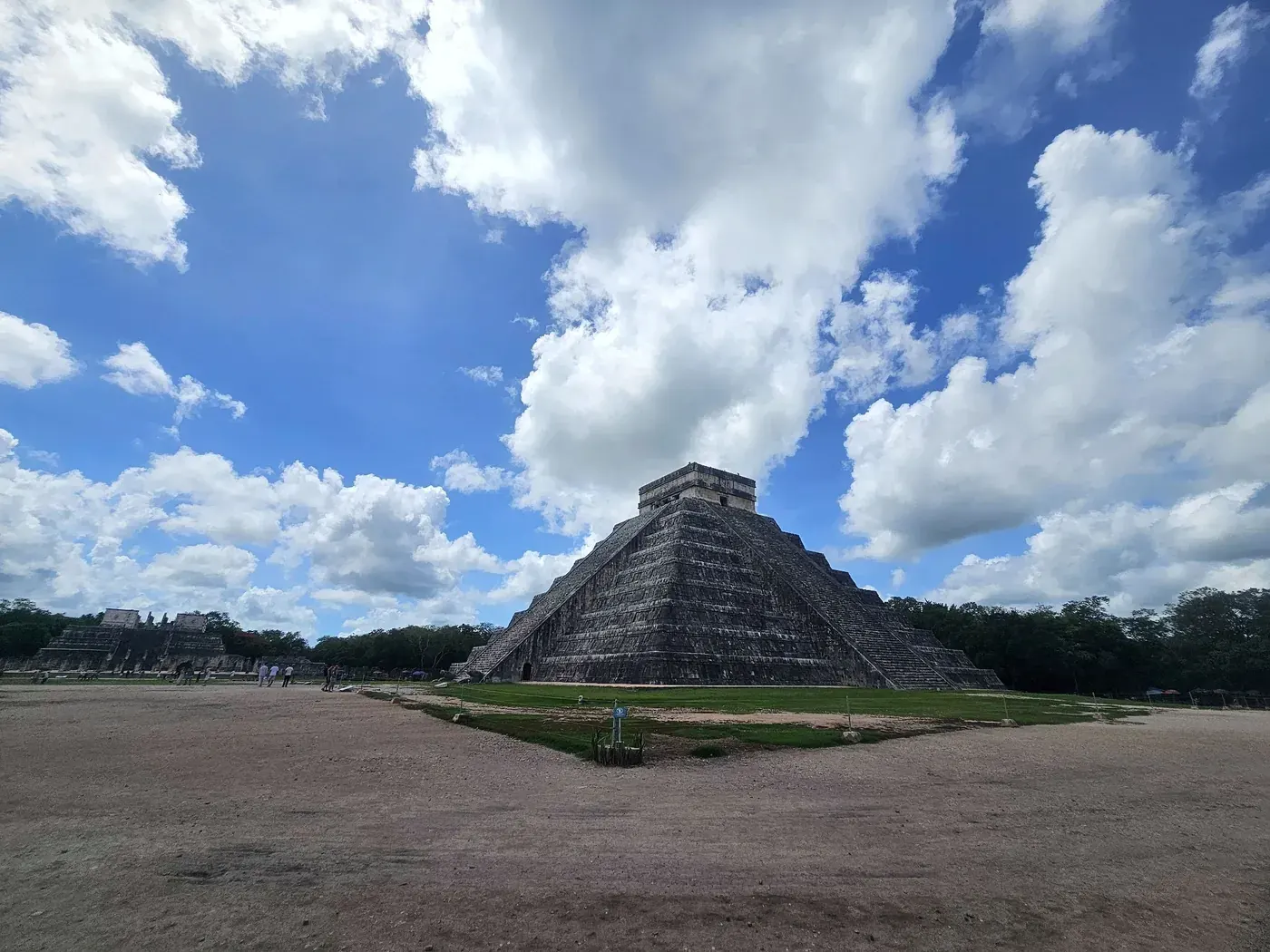
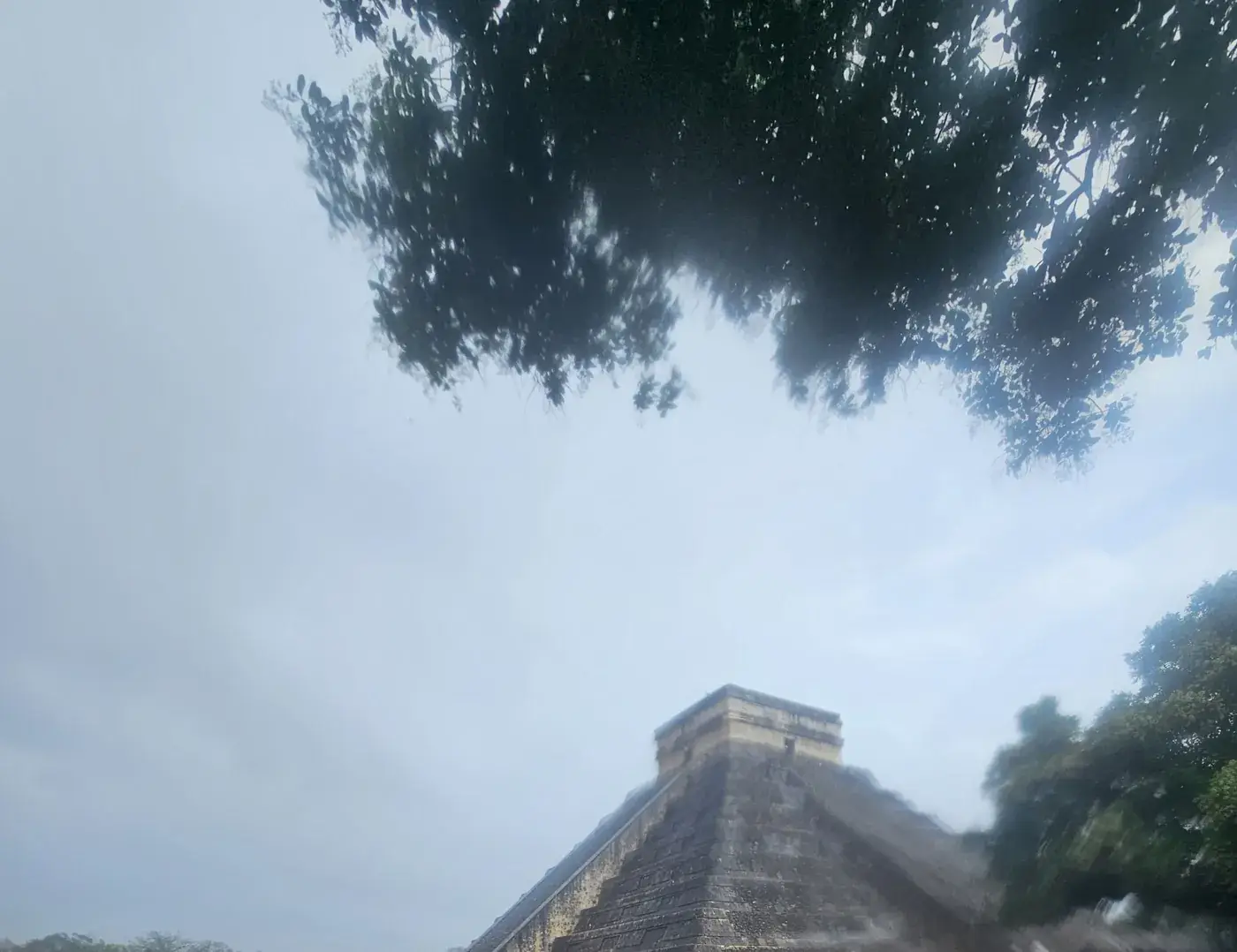
The archaeological site includes monumental temples, ceremonial platforms, plazas, columns, a vast ball court, and structures linked to astronomy and ritual life. These images introduce the principal areas visitors encounter across the ancient city.
Why Chichen Itza Is Famous
Chichen Itza is famous because it brings together ancient Maya astronomy, architecture, and ceremonial life in one large archaeological site. Its most recognized monument is El Castillo, the Temple of Kukulcan, whose stairways are often interpreted as symbolically relating to the solar year. The site is also known for the Great Ball Court, El Caracol observatory, the Sacred Cenote, and its blend of Maya and Toltec influences.
- El Castillo (Temple of Kukulcan): the iconic stepped pyramid associated with the famous equinox serpent-shadow effect
- Astronomy: El Caracol is associated with observations of Venus and other celestial cycles
- The Great Ball Court: the largest known ball court in Mesoamerica, with strong ritual and political importance
- Sacred Cenote: a natural sinkhole used for offerings, pilgrimage, and ceremonies connected with rain and fertility
- Maya and Toltec influence: warrior columns, feathered serpent imagery, and monumental scale show a cultural fusion that makes Chichen Itza different from many other Maya sites
- UNESCO and New Seven Wonders recognition: the site is protected as a UNESCO World Heritage Site and recognized as one of the New Seven Wonders of the World
History of Chichen Itza
Chichen Itza rose between roughly 600 and 1200 AD as a Maya political and ceremonial capital, later showing strong Toltec influence in monuments such as the Temple of Warriors and the Great Ball Court. The city declined as a ruling center by the 13th century but remained a pilgrimage destination. Read the full timeline, including who built it, why it mattered, and what led to its abandonment, in the full history of Chichen Itza guide.
El Castillo Pyramid (Temple of Kukulkán)
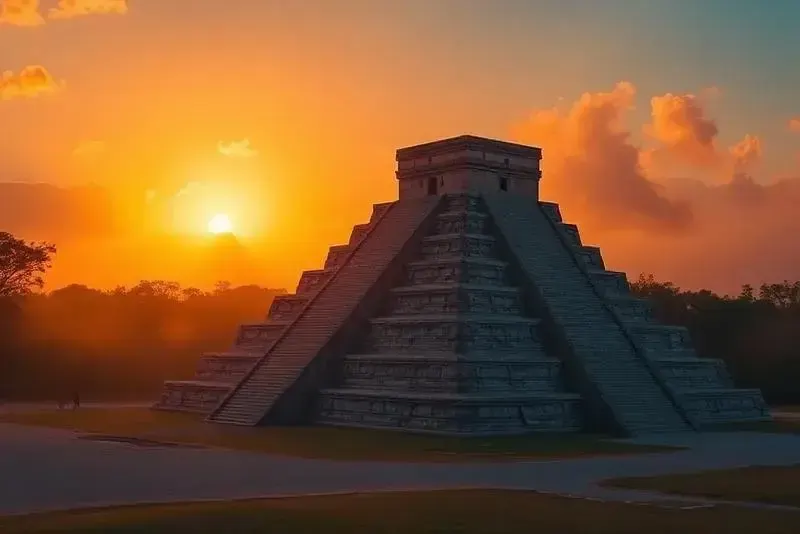
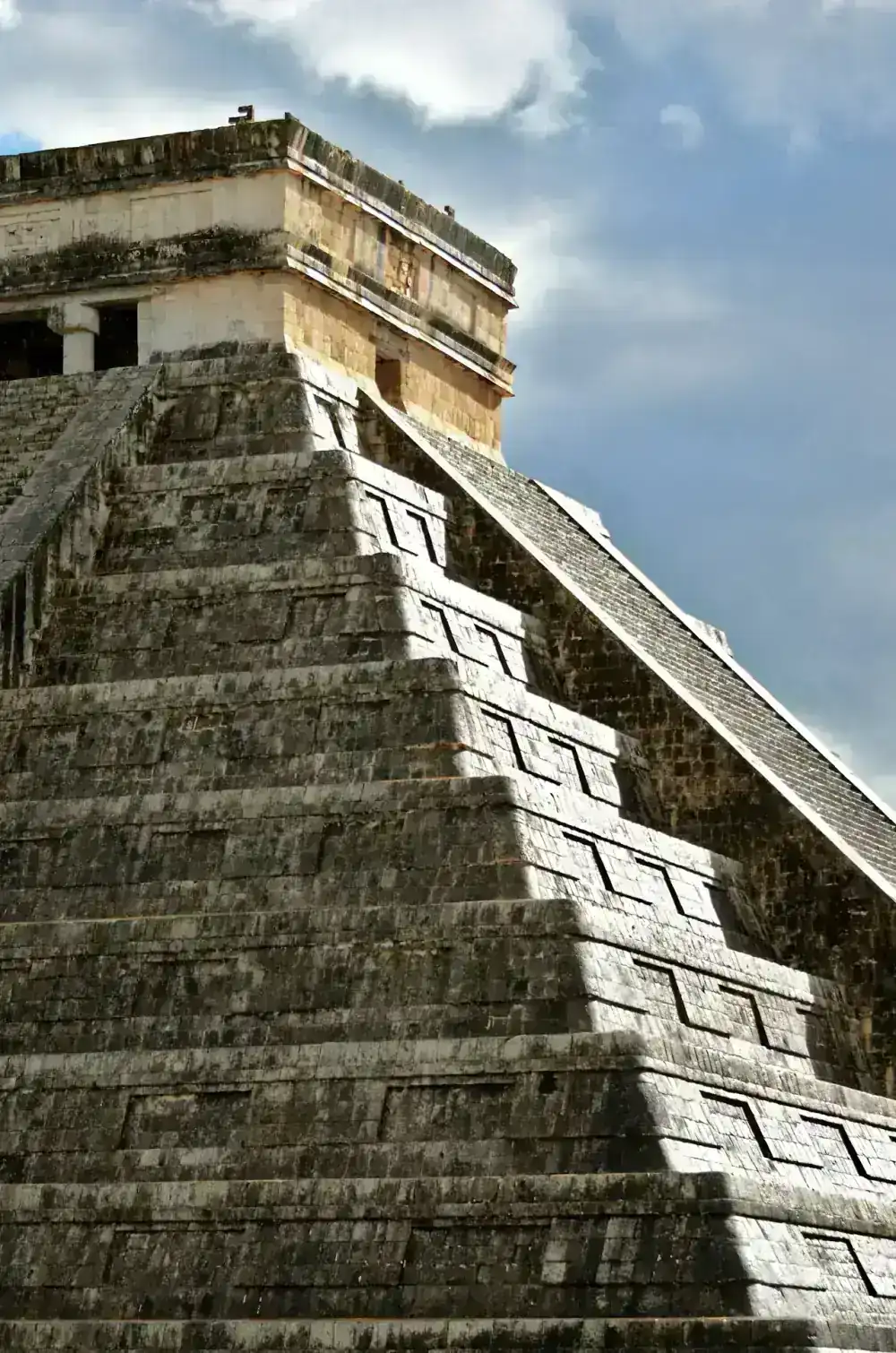
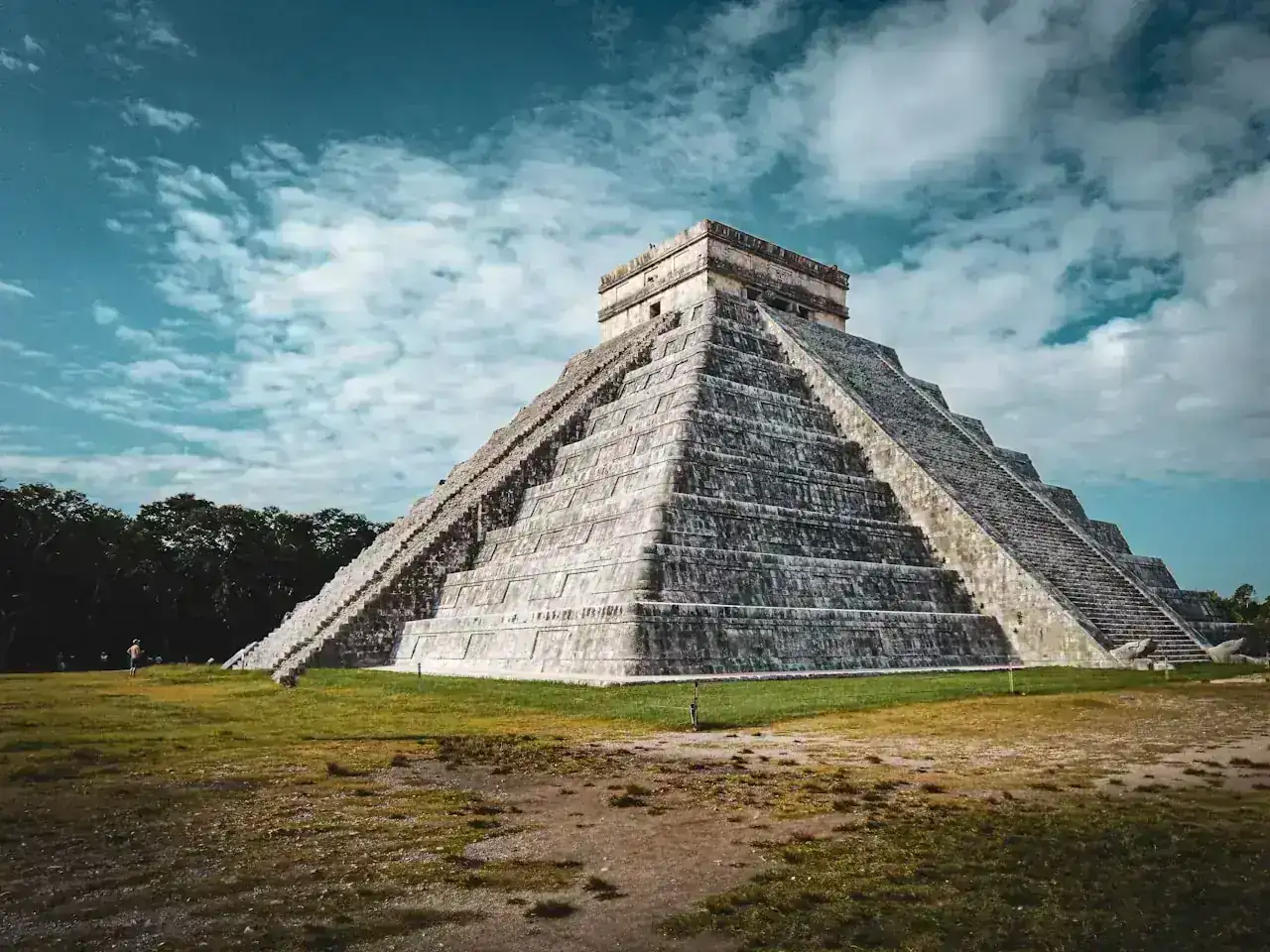
El Castillo is the defining monument of Chichen Itza and one of the most studied pyramids in the Maya world. Rising roughly 30 meters above the Great Plaza, it was dedicated to Kukulkán, the feathered serpent deity, and designed with carefully ordered proportions and repeated architectural patterns.
Each of the pyramid's four staircases contains 91 steps; together with the summit platform, the total reaches 365, often interpreted as a symbolic expression of the solar year. During the spring and autumn equinoxes, sunlight casts a shifting triangular shadow along the northern staircase, creating the famous illusion of a serpent descending toward the carved serpent heads at the base.
For the pyramid's full archaeological and architectural context, read the El Castillo pyramid guide.
The Great Ball Court
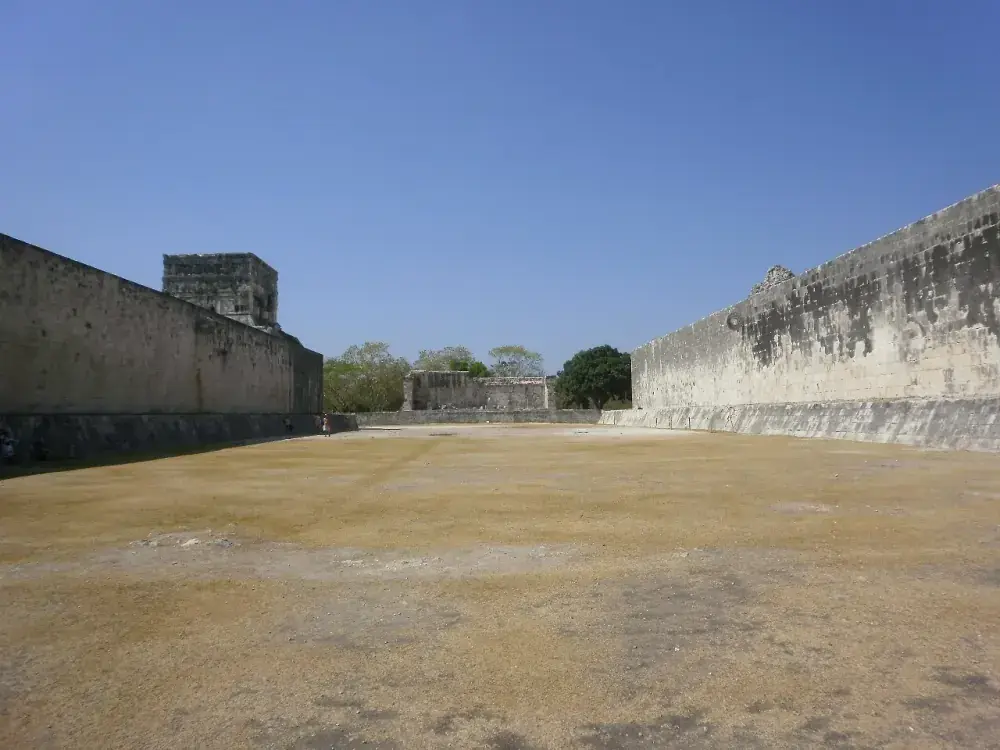
The Great Ball Court is the largest known ball court in Mesoamerica, stretching approximately 168 meters (about 545 feet) in length. Stone hoops mounted high on the walls mark where the ritual ball game pok-ta-pok was played. Its scale signals the importance of the ballgame at Chichen Itza, where sport, ceremony, politics, and cosmology intersected. The Great Ball Court is also known for unusual acoustic effects that visitors and researchers continue to discuss.
For deeper context on the ritual game, read the Mayan ball game guide.
Temple of the Warriors
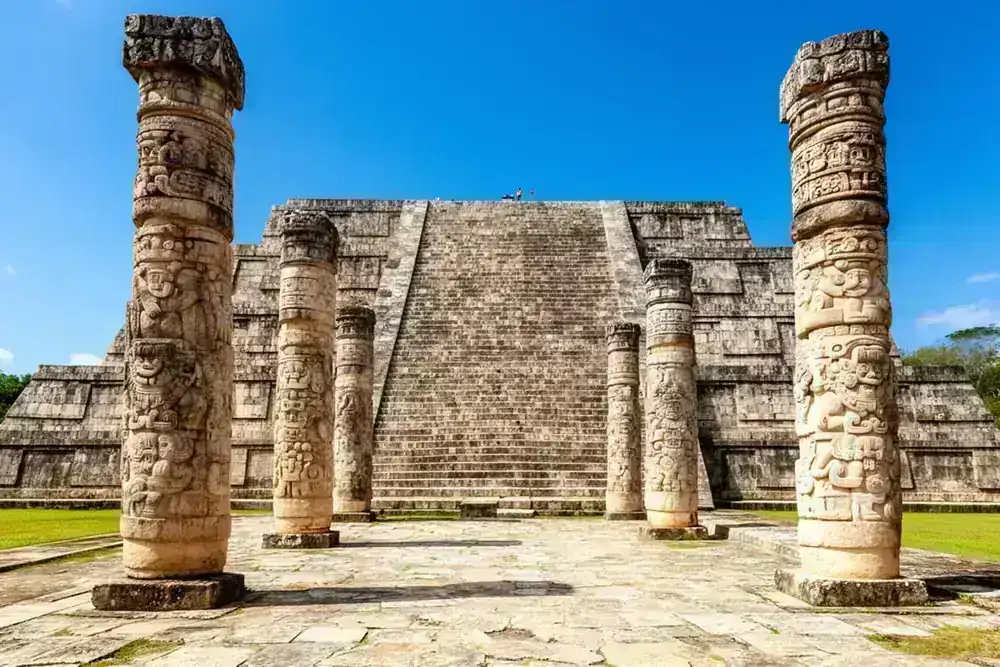
The Temple of the Warriors forms part of one of the most impressive architectural ensembles at Chichen Itza. The stepped temple faces a forest of carved columns often called the Thousand Columns complex, which likely supported a large roofed hall used for civic, ceremonial, or administrative functions.
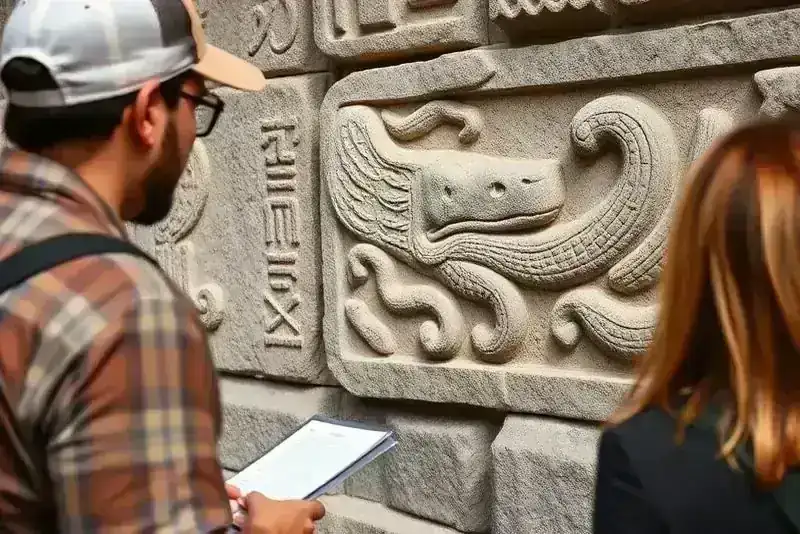
At the summit sits a chacmool statue, a reclining stone figure associated with offerings. The warrior imagery, serpent motifs, and columned forecourt all point to strong links with central Mexican visual traditions, making this building central to debates about Toltec influence and the political identity of the city during its peak.
Even without access to the upper platform, the complex is essential viewing because it shows how Chichen Itza combined open public space, ritual architecture, and militarized symbolism into a single monumental statement.
The Sacred Cenote
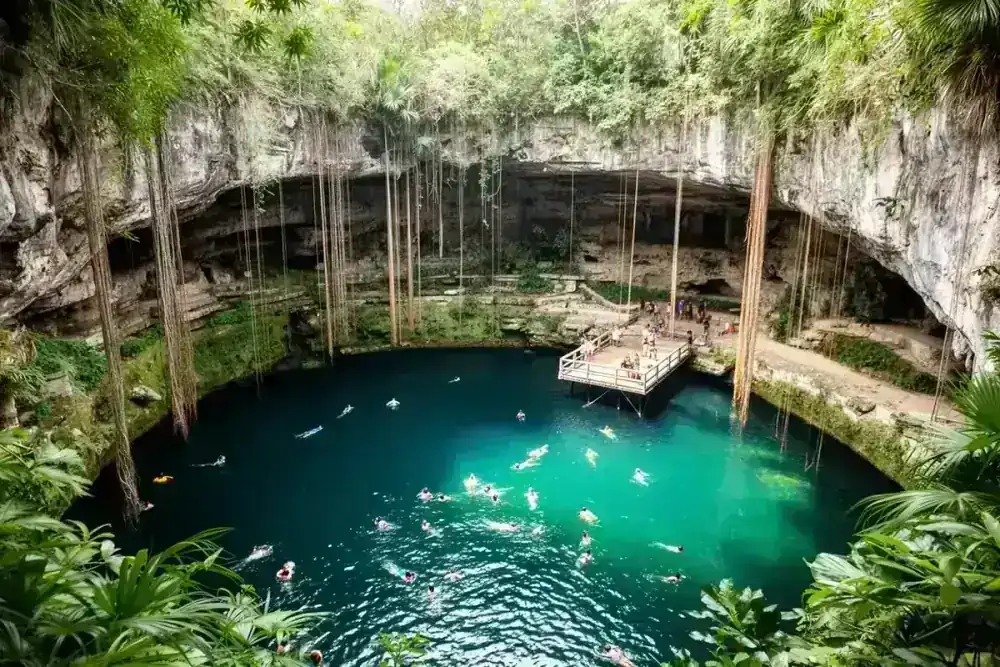
The Sacred Cenote was one of the most important ritual spaces in the city. Linked to the ceremonial core by a stone causeway, this natural sinkhole functioned as a place of offerings dedicated to deities associated with rain, fertility, and the underworld.
For the history of its offerings and archaeological finds, read the Sacred Cenote guide.
El Caracol (The Observatory)
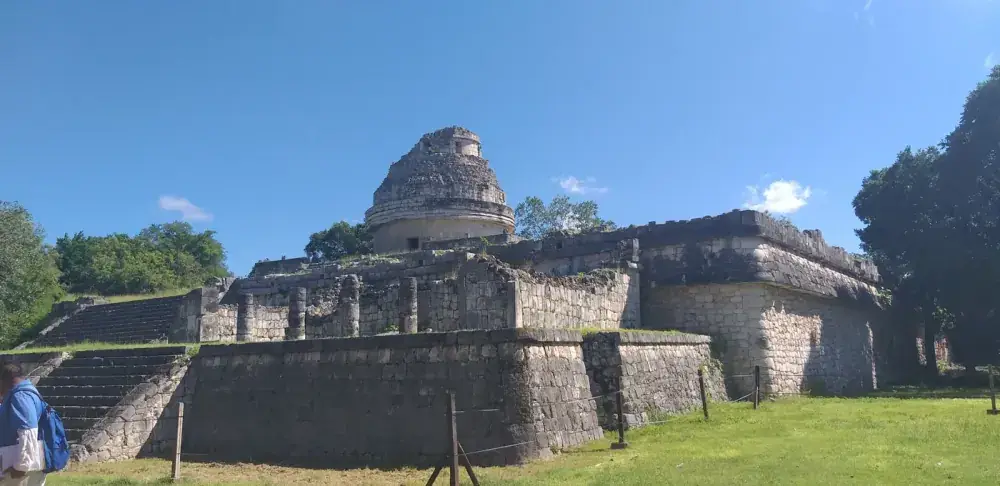
El Caracol, Spanish for "the snail," referring to its internal spiral staircase, is the site's distinctive round structure and one of the clearest examples of Maya astronomical architecture. Its windows and alignments are thought to have helped priests track Venus, equinoxes, and other celestial events that shaped ceremonial calendars across the city. For deeper astronomical and architectural context, read the El Caracol observatory guide.
What Else to See at the Ruins
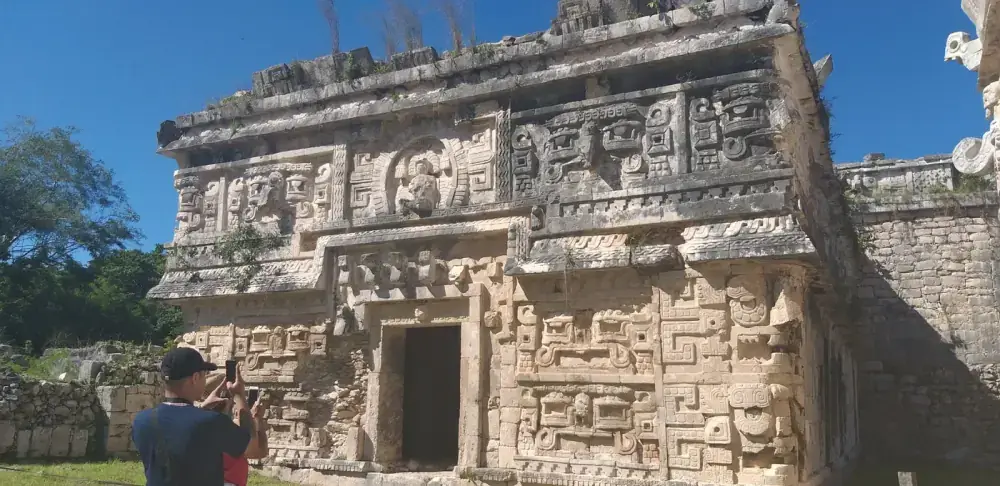
Beyond the headline monuments, the archaeological zone contains several structures that deepen your understanding of the city's ceremonial life. The Ossuary, the Platform of Eagles and Jaguars, and the Temple of the Bearded Man add further evidence of elite ritual, warrior symbolism, and changing artistic styles across the site.
Looking beyond El Castillo reveals that Chichen Itza was not a single monument but a carefully planned urban center with distinct ceremonial districts. If your goal is a complete overview, prioritize the Great Plaza, the Great Ball Court, the Temple of the Warriors, the Sacred Cenote, and El Caracol.
Things to Do at Chichen Itza
A visit should extend beyond El Castillo to the Great Ball Court, Temple of the Warriors, Sacred Cenote, El Caracol, and the quieter architectural groups around the site.
For suggested timing and walking order, use the Chichen Itza itinerary guide. Travelers planning a swim stop can compare nearby options in the cenotes near Chichen Itza guide.
Chichen Itza Tours with a Local Operator
Travelers who prefer transportation, expert interpretation, and a planned schedule can compare private, small-group, express, luxury, and cenote-combination options on the Chichen Itza tours page.
See all Chichen Itza tours →Planning Your Visit
Use the Chichen Itza travel guide as the main planning hub, then consult the dedicated guides below for current details.
Key Takeaways
- Chichen Itza is a major Maya archaeological site in Yucatan.
- El Castillo is the best-known structure, but the site includes several major ceremonial and astronomical complexes.
- The city reflects Maya history together with later Maya-Toltec influence.
- UNESCO and New Seven Wonders recognition reflect its global cultural importance.
- Specialist guides should be used for current maps, fees, hours, itineraries, and travel planning.
Recommended Tours for Chichen Itza Visitors
 From $999/group
Private Chichen Itza Tour | Expert-Guided Day Trip
 From $339/person
Private Chichen Itza + Cenote Tour
 From $336/person
Luxury Chichen Itza Tour, Premium Private Experience
 From $235/person
Small-Group Chichen Itza Tour
Helpful Next Steps for Chichen Itza
Choose the next step that matches how you want to experience Chichen Itza, from a private guided tour to nearby stops or the wider area.
Compare Mayan Ruins
Compare Chichen Itza with Tulum, Coba, and Ek Balam to choose the ruins that fit your route and travel style.
Compare ruinsChichen Itza Entrance Fees
Useful for comparing ticket-only planning with guided visit options.
View fee guideChichen Itza Opening Hours
Plan your arrival window around the site’s operating schedule.
View hours guideFAQ About Chichen Itza
Related Destinations
One Mexico operations team
Private travel planning beyond Chichen Itza
Maya Explorer Tours coordinates private and premium travel across Mexico with local guides, drivers, activity operators, and accommodation partners.
Planned around your group
Share your dates, hotel, group size, and priorities. The team checks real availability and confirms the right format before you book.
Tours, transfers, boats, and longer journeys
Explore cultural and sightseeing tours, archaeological sites, cenotes, wildlife experiences, island trips, snorkeling, and shore excursions. Private boats, sailing catamarans, charters, day trips, and custom multi-day journeys are also available.
Stay and route coordination
The team can help coordinate hotels, resorts, and other accommodation. Your stay can then connect with airport or hotel transfers, private transportation, activities, and a practical day-by-day itinerary.
Last updated: